

Greenhouse Gas Management Strategy, Methods, and Targets
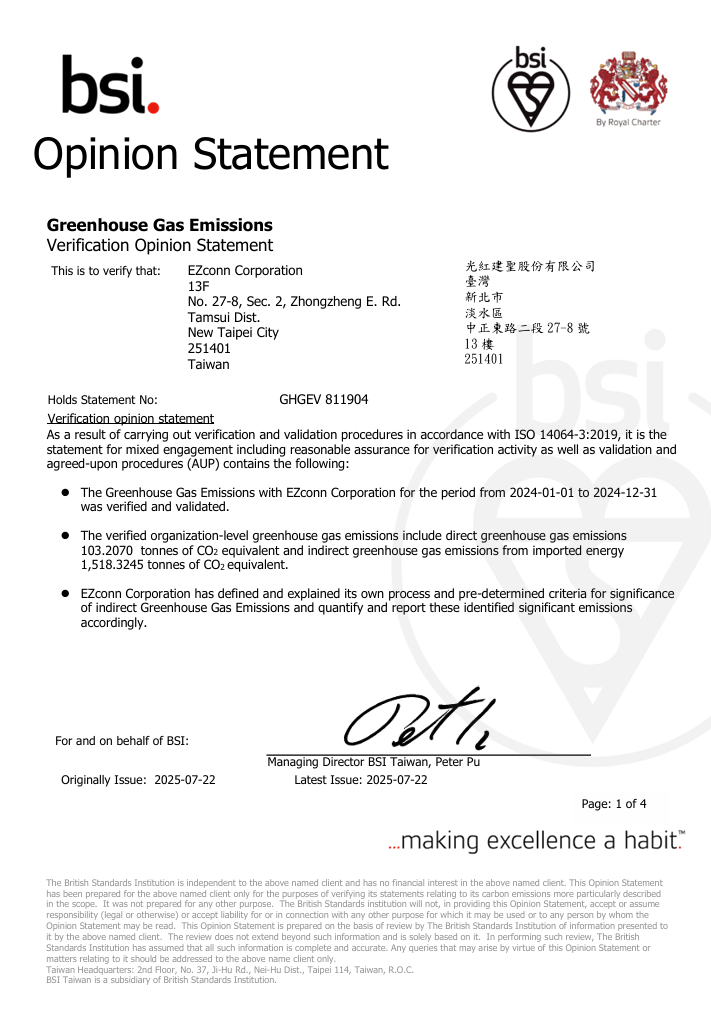
EZconn is committed to effective greenhouse gas (GHG) management and continuous emissions reduction by setting clear strategies and action-oriented targets. In 2022, we completed the first GHG inventory and designated that year as the baseline for carbon reduction. However, in the current year, the organizational boundary was adjusted to include leased dormitories for migrant workers, resulting in a change in GHG emissions exceeding the materiality threshold of 3%. As a result, the baseline year has been updated to 2024, which will serve as the reference point for future emissions management and performance evaluation.
To enhance the effectiveness of energy conservation and carbon reduction, EZconn has actively invested in improving energy efficiency and optimizing equipment. This includes upgrades to air conditioning systems, air compressors, motors, AC power equipment, and lighting systems. Additionally, hybrid vehicles have been introduced to replace traditional fuel-powered company cars, reducing transportation-related carbon emissions. EZconn also implements scheduled lighting control during lunch breaks and at night in factory areas to conserve electricity and minimize unnecessary energy waste, further reducing overall carbon emissions. Moreover, refer to the government’s energy-saving policy—“Accelerate the Replacement of Outdated Equipment with High-Efficiency Power Equipment”—and in anticipation of future developments in carbon fees, green power procurement, and carbon trading, EZconn prioritizes the use of low-carbon, energy-efficient equipment in the planning of new facilities and space expansions. These efforts aim to response to future carbon management policies and market mechanisms.
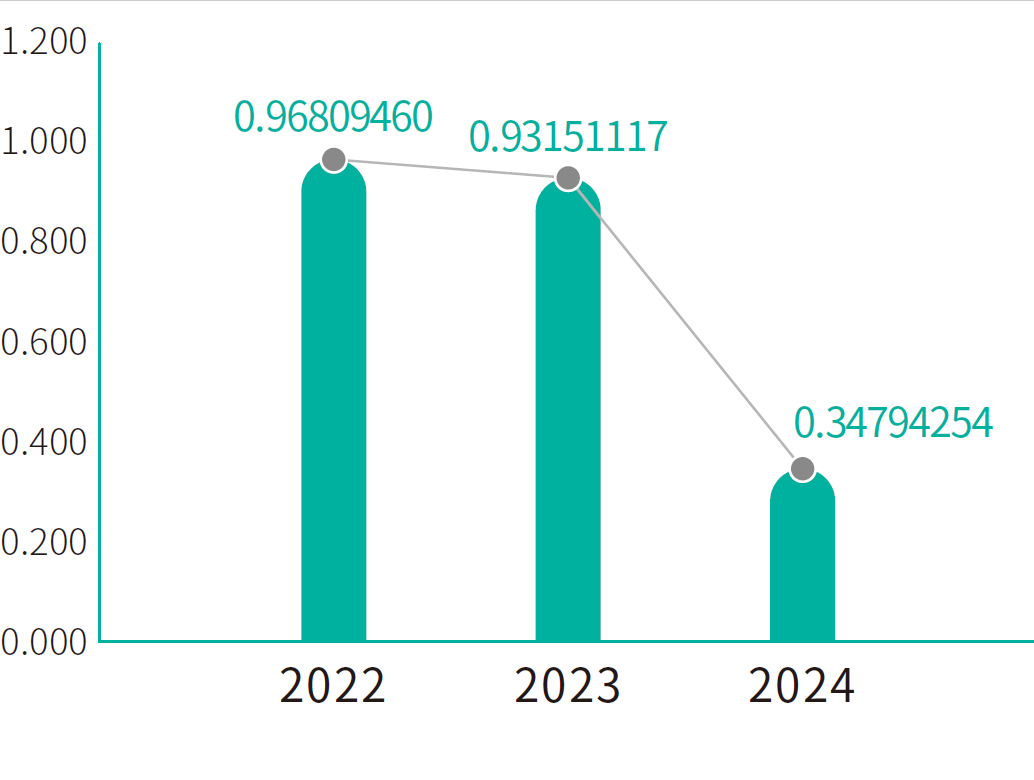
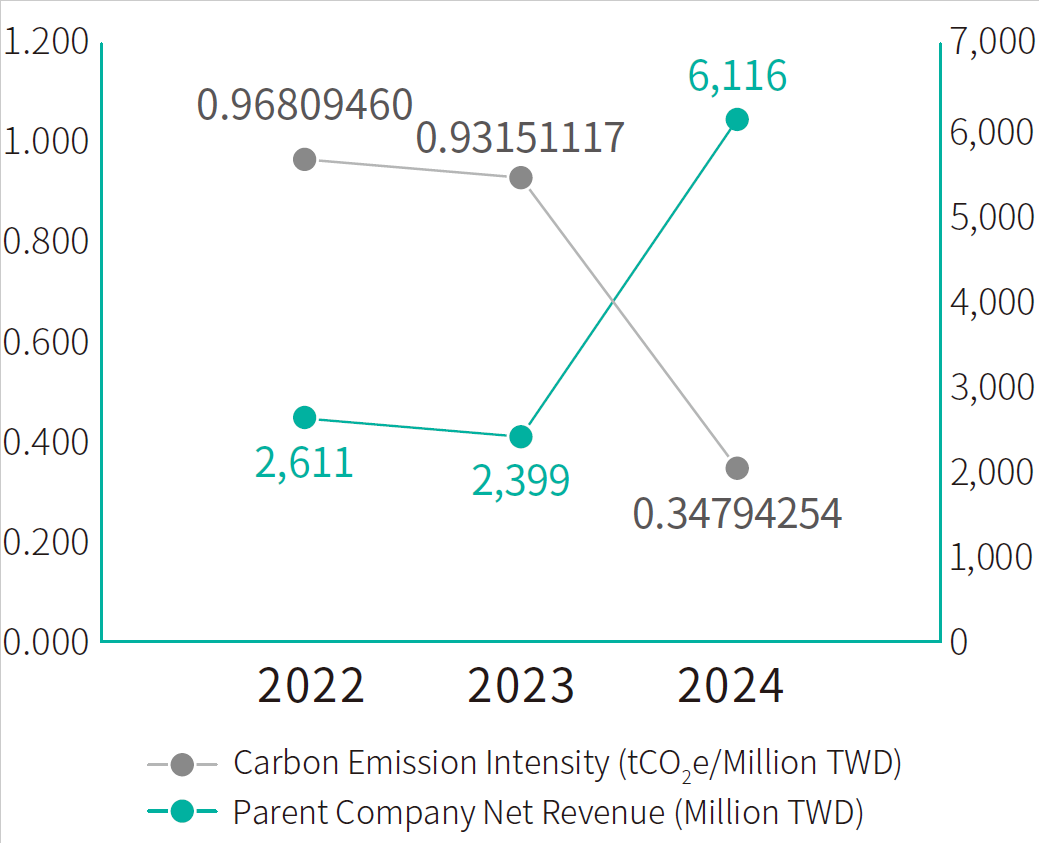
EZconn adopts “carbon emissions per working hour” as performance indicator for carbon efficiency management. In 2024, the annual target was successfully achieved, demonstrating the effectiveness of energy-saving and carbon-reduction initiatives, as well as improved management of carbon intensity. A further reduction target has been set for 2025, reinforcing our ongoing commitment to low-carbon operations.